Biogas in Kerala: The Role of Technology in Advancing Sustainable Energy
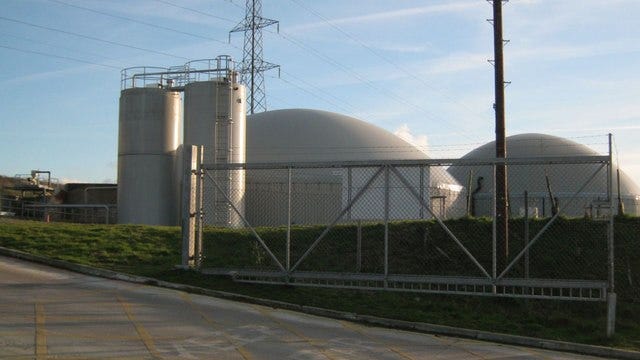
As Kerala moves toward a more sustainable and eco-friendly future, biogas is becoming a key player in the state’s renewable energy landscape. The application of advanced technology is significantly enhancing the efficiency and scalability of biogas in Kerala, making it an even more attractive option for households, industries, and agricultural sectors.
Technological Advancements in Biogas Production
Biogas production has evolved significantly over the years, with new technologies improving the process of anaerobic digestion. These advancements not only make biogas systems more efficient but also more adaptable to different scales of operation — from small household units to large commercial plants.
- Automated Biogas Systems: Automation technology is increasingly being incorporated into biogas plants, allowing for the real-time monitoring of temperature, pressure, and gas output. This helps ensure optimal conditions for biogas production, leading to higher yields and greater reliability.
- Biogas Upgradation: Traditional biogas contains impurities like carbon dioxide and hydrogen sulfide. New technologies are now available to upgrade raw biogas into biomethane, a purified form of biogas that can be used as a direct substitute for natural gas. This upgradation process increases the utility of biogas in cooking, electricity generation, and as a fuel for vehicles.
- Hybrid Energy Systems: Biogas is increasingly being integrated into hybrid energy systems that combine renewable sources like solar and wind. These systems ensure a more stable and continuous energy supply, especially during times when solar or wind energy may not be available. This hybrid approach can be particularly beneficial for rural communities in Kerala, ensuring energy security while maximizing renewable energy use.
The Role of Biogas in Kerala’s Circular Economy
Biogas in Kerala is not just about renewable energy; it also plays a crucial role in promoting a circular economy. By converting organic waste into valuable energy and fertilizer, biogas helps close the loop on waste management, ensuring that resources are fully utilized.
- Waste-to-Energy Solutions: Biogas technology allows Kerala to address its growing waste management challenges. Municipal solid waste, agricultural residues, and food industry waste are processed into biogas, reducing the burden on landfills and cutting down on methane emissions that contribute to climate change.
- Fertilizer from Digestate: The by-product of the biogas process, called digestate, is a rich organic fertilizer that can be used in agriculture. This not only reduces the need for chemical fertilizers but also enhances soil health, supporting sustainable farming practices in Kerala.
Applications of Biogas in Kerala
Technological advancements are enabling biogas in Kerala to be used in a variety of applications, making it a versatile energy source.
- Cooking Fuel: Biogas is already being used extensively in rural households for cooking, offering a clean alternative to LPG. Technological improvements have made biogas cookstoves more efficient, reducing fuel consumption and emissions.
- Electricity Generation: Larger biogas plants are now capable of generating electricity, supplying power to homes, businesses, and farms. In rural Kerala, community-based biogas plants are helping address the electricity shortage by converting organic waste into a reliable power source.
- Vehicle Fuel: With the development of biogas upgradation technology, biogas in Kerala is being converted into biomethane and used as a fuel for vehicles. This eco-friendly fuel not only reduces transportation emissions but also offers a cost-effective alternative to traditional fuels like diesel and petrol.
Benefits of Technological Integration in Biogas Systems
The integration of modern technology into biogas systems has brought numerous benefits, making biogas in Kerala a more viable and attractive solution for renewable energy production.
- Higher Efficiency: Automation and better control systems allow for more precise management of the anaerobic digestion process, resulting in higher biogas yields.
- Improved Scalability: Technological advancements make it easier to scale biogas production, whether for individual households or large industrial plants. Modular systems allow for flexibility in expanding operations as needed.
- Environmental Benefits: New technologies have improved the environmental impact of biogas plants. Advanced filtration systems reduce harmful emissions, while digestate processing units ensure the safe and efficient use of organic fertilizer.
- Cost Savings: By improving efficiency and reducing reliance on expensive fossil fuels, biogas technology can offer long-term cost savings for households, businesses, and farms in Kerala.
Challenges and the Future of Biogas in Kerala
While the potential for biogas in Kerala is immense, challenges remain. The upfront cost of installing biogas systems can be prohibitive for some households and small businesses, though government subsidies and incentives are helping to address this. Additionally, there is a need for more public awareness and technical training to ensure that biogas systems are operated efficiently and maintained properly.
Looking forward, the future of biogas in Kerala lies in further technological innovation. Research into more efficient biogas production methods, better waste-to-energy conversion systems, and hybrid renewable energy solutions will continue to drive the growth of biogas in the state. With continued support from the government and private sectors, biogas can play a leading role in Kerala’s transition to a more sustainable, low-carbon future.
Conclusion
Technological advancements are transforming the role of biogas in Kerala, making it a key player in the state’s renewable energy efforts. By integrating modern technologies into biogas systems, Kerala can further enhance the efficiency, scalability, and environmental benefits of this clean energy source. As the state continues to innovate and adopt biogas solutions, it moves closer to achieving its sustainability and energy independence goals.


Comments
Post a Comment