Role of Biogas in Kerala in Achieving Zero Waste Goals
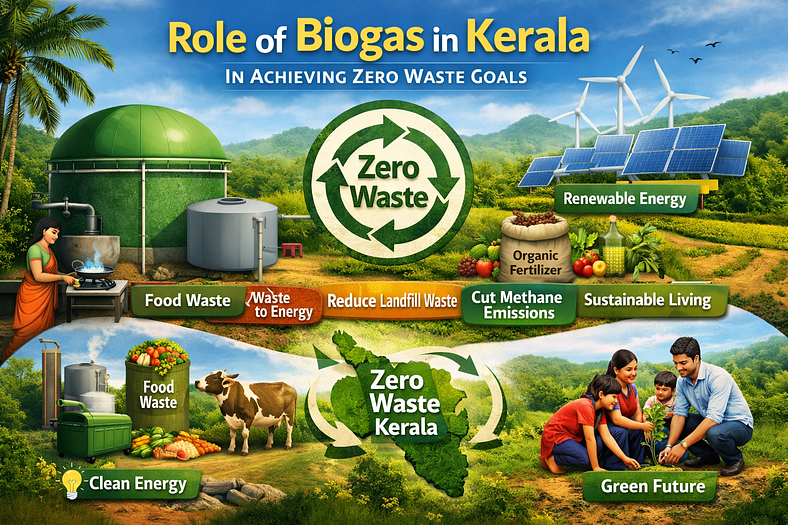
Kerala is widely recognized for its strong environmental awareness and sustainable lifestyle initiatives. However, increasing population and urbanization have created major challenges in waste management. In this scenario, biogas in Kerala plays a crucial role in supporting the state’s vision of achieving zero waste goals while generating clean and renewable energy.
Understanding the Importance of Biogas in Kerala
Biogas technology converts organic waste such as food waste, agricultural residues, animal waste, and biodegradable materials into usable energy. With Kerala generating large volumes of organic waste daily, adopting biogas in Kerala has become an effective solution to manage waste responsibly.
Biogas plants help households, apartments, hotels, and industries reduce dependency on traditional waste disposal systems while producing eco-friendly cooking gas and organic manure.
Biogas in Kerala and Zero Waste Management
Zero waste aims to eliminate landfill dependency by recycling and reusing resources efficiently. Biogas in Kerala directly supports this goal by:
- Converting kitchen and food waste into renewable energy
- Reducing landfill waste accumulation
- Minimizing greenhouse gas emissions
- Preventing soil and water contamination
- Promoting decentralized waste management systems
By treating waste at the source, biogas systems significantly reduce transportation and disposal costs.
Environmental Benefits of Biogas in Kerala
The adoption of biogas in Kerala contributes positively to environmental protection. Organic waste dumped in landfills releases methane, a harmful greenhouse gas. Biogas plants capture this methane and convert it into usable fuel, reducing environmental pollution.
Additional environmental benefits include:
- Reduced carbon footprint
- Cleaner surroundings
- Improved sanitation
- Sustainable waste recycling
Economic Advantages for Homes and Businesses
Installing biogas in Kerala is not only environmentally beneficial but also economically practical. Households and commercial establishments can reduce LPG expenses and waste management costs.
Businesses such as hotels, hostels, farms, and food processing units particularly benefit from biogas systems by converting daily organic waste into continuous energy supply.
Government Support for Biogas in Kerala
The Kerala government actively promotes biogas adoption through subsidies, awareness programs, and decentralized waste management initiatives. Local self-governments encourage residents and institutions to install biogas plants to achieve sustainable waste solutions.
Such initiatives accelerate Kerala’s journey toward becoming a zero-waste state.
Future of Biogas in Kerala
With growing environmental concerns and energy demands, the future of biogas in Kerala looks promising. Smart cities, residential communities, and commercial sectors are increasingly investing in biogas technology to ensure sustainable development.
As awareness increases, biogas systems will play a major role in transforming waste into valuable resources while supporting renewable energy goals.
Conclusion
Achieving zero waste is no longer just an environmental concept but a necessity for sustainable living. Biogas in Kerala provides a practical and efficient pathway to manage organic waste, reduce pollution, and generate clean energy simultaneously.
By adopting biogas solutions at household and industrial levels, Kerala can move closer to its vision of a cleaner, greener, and zero-waste future.


Comments
Post a Comment