Biogas in Kerala: A Practical Approach to Organic Waste Recycling
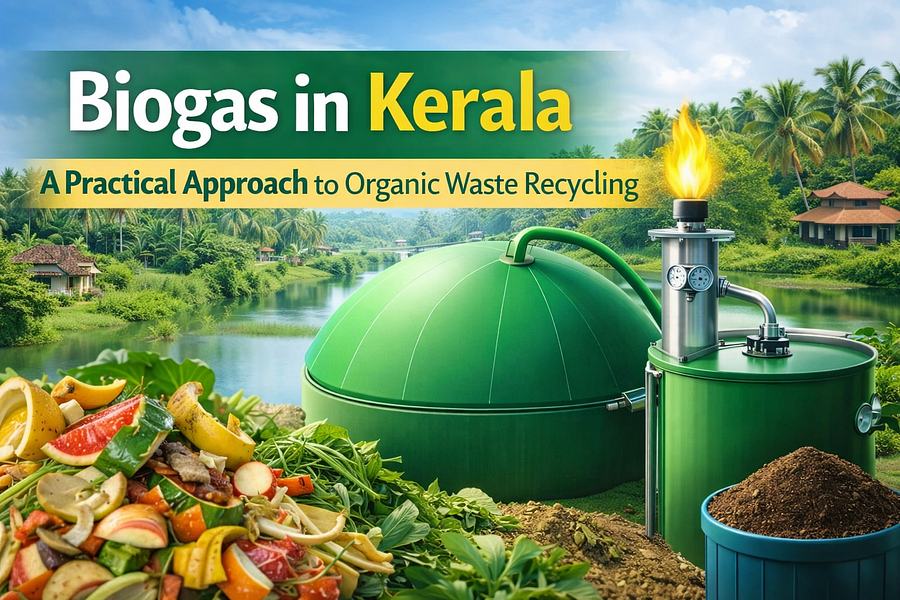
Kerala faces increasing challenges in managing organic waste due to rapid urbanization, population growth, and changing consumption patterns. Improper disposal of food and biodegradable waste often leads to environmental pollution and public health concerns. In this situation, biogas in Kerala has emerged as a practical and sustainable solution for effective organic waste recycling while generating clean energy.
Understanding Biogas and Its Importance
Biogas is a renewable energy source produced through the anaerobic digestion of organic waste such as food scraps, vegetable waste, agricultural residues, and animal manure. During this process, microorganisms break down biodegradable materials in an oxygen-free environment, producing methane-rich gas that can be used for cooking, heating, and electricity generation.
The growing adoption of biogas in Kerala reflects the state’s commitment toward sustainable waste management and renewable energy solutions.
Organic Waste Challenges in Kerala
Kerala generates a significant amount of biodegradable waste every day from households, hotels, markets, and commercial establishments. Traditional waste disposal methods such as landfilling and open dumping create several problems:
- Unpleasant odors and environmental pollution
- Increase in greenhouse gas emissions
- Groundwater contamination
- Rising waste transportation costs
Biogas systems provide an efficient way to convert this waste into usable energy instead of allowing it to accumulate in landfills.
How Biogas in Kerala Supports Waste Recycling
Biogas plants recycle organic waste through a closed-loop system that benefits both households and communities.
1. Waste Reduction at Source
Biogas units allow homes and businesses to process kitchen and food waste directly on-site, reducing dependency on municipal waste collection systems.
2. Clean Energy Generation
The gas produced can replace LPG usage for cooking, helping families and institutions reduce fuel expenses.
3. Organic Fertilizer Production
The by-product known as slurry acts as a nutrient-rich organic fertilizer suitable for agriculture and gardening.
Applications of Biogas in Kerala
The implementation of biogas in Kerala is expanding across multiple sectors:
- Residential homes and apartments
- Hotels and restaurants
- Educational institutions
- Farms and dairy units
- Markets and food processing industries
- Municipal waste management projects
These applications help minimize waste while promoting energy independence.
Environmental Benefits of Biogas Systems
Biogas technology plays a vital role in protecting Kerala’s environment.
- Reduces methane emissions from organic waste
- Minimizes landfill usage
- Prevents soil and water pollution
- Supports renewable energy adoption
- Promotes sustainable living practices
- By converting waste into energy, biogas systems contribute significantly to climate-friendly development.
Economic Advantages of Installing Biogas Plants
Investing in biogas systems offers long-term financial benefits.
- Reduced LPG and electricity expenses
- Lower waste disposal costs
- Minimal operational maintenance
- Additional value through organic fertilizer
Many households and businesses recover installation costs within a few years through energy savings.
Government Initiatives Promoting Biogas in Kerala
Various government bodies and local self-governments encourage biogas adoption through subsidies, awareness programs, and waste management initiatives. These programs aim to promote decentralized waste treatment and reduce environmental burden across cities and rural areas.
Support from local authorities has accelerated the growth of biogas in Kerala, making it accessible to a wider population.
Choosing the Right Biogas System
Before installing a biogas plant, consider:
- Daily quantity of organic waste generated
- Available installation space
- Type of biogas technology
- Maintenance requirements
- Professional installation support
Selecting the right system ensures efficient performance and long-term sustainability.
The Future of Biogas in Kerala
With increasing awareness about renewable energy and waste reduction, biogas technology is expected to play a major role in Kerala’s sustainable development goals. Smart cities, eco-friendly communities, and environmentally responsible businesses are increasingly adopting biogas solutions.
As waste management becomes a priority, biogas in Kerala stands out as a practical, eco-friendly, and economically viable approach to organic waste recycling.
Conclusion
Managing organic waste efficiently is essential for maintaining environmental balance and public health. By adopting biogas in Kerala, households, institutions, and industries can transform waste into valuable energy while reducing pollution and operational costs.


.jpg)
Comments
Post a Comment