Biogas in Thrissur: An Efficient Way to Manage Kitchen and Food Waste
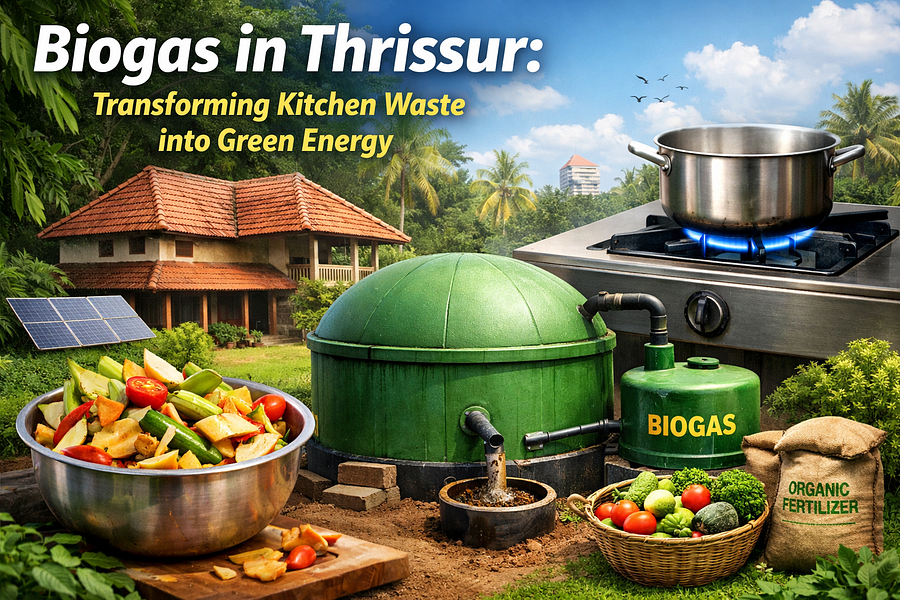
With increasing urbanization and population growth, waste management has become a major concern in many cities. In places like Thrissur, managing organic waste such as kitchen scraps and food leftovers is especially important for maintaining a clean and sustainable environment. One of the most effective solutions gaining popularity today is biogas production. Biogas in Thrissur is emerging as a practical and eco-friendly method to convert kitchen and food waste into valuable energy.
Understanding Biogas and How It Works
Biogas is a renewable form of energy produced by the decomposition of organic materials such as food waste, vegetable peels, leftover meals, and agricultural waste. This process takes place in an oxygen-free environment inside a biogas plant. Microorganisms break down the waste and release methane gas, which can then be used for cooking, heating, or generating electricity.
For households and institutions in Thrissur, installing a small biogas plant can help convert everyday kitchen waste into usable cooking gas. This not only reduces waste but also cuts down dependency on conventional fuels.
Why Biogas in Thrissur Is Becoming Popular
The demand for biogas in Thrissur is increasing because of its numerous environmental and economic benefits. With the city focusing more on sustainable living and waste reduction, many homes, apartments, restaurants, and institutions are adopting biogas plants.
Some key reasons for this growing popularity include:
- Efficient waste management: Kitchen and food waste can be directly converted into energy instead of being dumped in landfills.
- Eco-friendly energy: Biogas is a renewable and clean energy source that reduces carbon emissions.
- Reduced waste disposal costs: Households and businesses can significantly cut down waste collection expenses.
- Organic fertilizer production: The slurry produced from biogas plants can be used as a natural fertilizer for plants and gardens.
Benefits of Installing a Biogas Plant
Using biogas in Thrissur offers several advantages for both residential and commercial users.
1. Reduces Environmental Pollution
Organic waste left in open dumps produces harmful greenhouse gases and unpleasant odors. Biogas plants convert this waste into useful energy, reducing pollution and improving sanitation.
2. Produces Clean Cooking Gas
The methane produced in biogas plants can be used as a cooking fuel, reducing dependence on LPG cylinders and other fossil fuels.
3. Supports Sustainable Living
Biogas technology encourages responsible waste management and promotes eco-friendly lifestyles among households and communities.
4. Generates Organic Fertilizer
The by-product of biogas production is a nutrient-rich slurry that can be used in gardens, farms, and landscaping.
Ideal Users of Biogas in Thrissur
Biogas plants can be installed in various settings depending on the amount of organic waste generated. In Thrissur, they are commonly used in:
- Individual homes
- Apartment complexes
- Hotels and restaurants
- Hostels and educational institutions
- Hospitals and catering units
These facilities often generate large amounts of food waste, making biogas an ideal waste management solution.
The Future of Biogas in Thrissur
As awareness about sustainable energy and waste management continues to grow, biogas in Thrissur is expected to expand further. Government initiatives promoting renewable energy and eco-friendly waste disposal are also encouraging more people to adopt this technology.
By converting kitchen waste into energy, biogas plants help create a cleaner environment while providing practical benefits for households and businesses. With the right awareness and support, biogas can play a significant role in making Thrissur a greener and more sustainable city.


Comments
Post a Comment