Biogas in Thrissur: Innovative Waste-to-Energy Solutions for a Cleaner Tomorrow
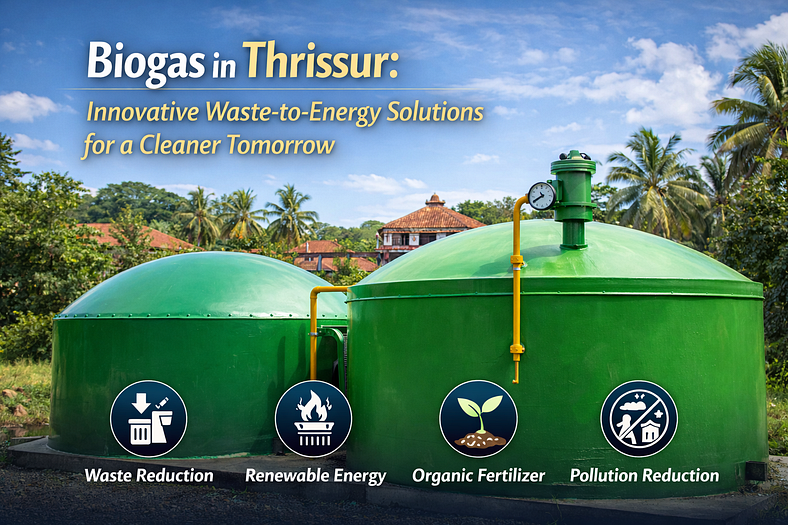
With the increasing population and rapid urban development, waste management has become a major concern in many cities. Thrissur, one of Kerala’s most vibrant and growing districts, is also facing challenges related to the disposal of organic waste. To address this issue in an environmentally responsible way, Biogas in Thrissur is gaining popularity as a sustainable waste-to-energy solution. By converting organic waste into useful energy, biogas systems help reduce pollution while promoting renewable energy.
Understanding Biogas Technology
Biogas is a renewable form of energy produced through the decomposition of organic materials such as food waste, vegetable scraps, agricultural waste, and animal manure. This process occurs in an airtight container called a biogas digester, where microorganisms break down the organic matter in the absence of oxygen.
The result is a combustible gas mainly composed of methane and carbon dioxide. This gas can be used for cooking, heating, or even generating electricity. As awareness about sustainable living increases, many households, institutions, and businesses are adopting Biogas in Thrissur as a practical waste management solution.
Why Biogas is Important for Thrissur
Thrissur generates a significant amount of organic waste every day from homes, restaurants, markets, and agricultural activities. If this waste is not managed properly, it can lead to environmental issues such as bad odors, pest infestations, and water contamination.
Installing Biogas in Thrissur offers an effective way to convert organic waste into energy while reducing the amount of waste sent to landfills. This approach supports the city’s efforts to maintain a clean and sustainable environment.
How Biogas Plants Work
Biogas plants are designed to process organic waste through a natural biological process called anaerobic digestion. The system typically includes a digester tank where organic waste is placed and broken down by bacteria.
The process produces two useful outputs:
Biogas
The gas produced can be used as a clean fuel for cooking or heating purposes.
Organic Fertilizer
The remaining slurry after digestion is a nutrient-rich fertilizer that can be used for gardening and agriculture.
By adopting Biogas in Thrissur, households and businesses can turn their waste into valuable resources.
Benefits of Biogas in Thrissur
The growing interest in Biogas in Thrissur is mainly due to the numerous benefits it offers for both the environment and the community.
Effective Waste Management
Biogas plants help reduce the volume of organic waste that would otherwise end up in landfills.
Renewable Energy Production
Biogas is a sustainable energy source that reduces dependence on fossil fuels and LPG.
Reduction in Pollution
Proper treatment of organic waste prevents methane emissions from open waste dumping sites.
Cost Savings
Households and institutions can save money on cooking fuel by using biogas generated from waste.
Organic Fertilizer Production
The by-product of the biogas process is an excellent natural fertilizer that improves soil health.
Applications of Biogas in Thrissur
Biogas technology is suitable for various sectors across Thrissur. Many organizations are already exploring its potential.
Residential Homes
Small biogas plants can be installed in homes to convert kitchen waste into cooking gas.
Hotels and Restaurants
Food establishments generate large quantities of organic waste daily, making them ideal for biogas systems.
Educational Institutions
Schools and colleges can install biogas plants to manage food waste from cafeterias.
Farms and Agricultural Units
Animal waste and agricultural residues can be efficiently processed to produce biogas and organic fertilizer.
As a result, Biogas in Thrissur is becoming a practical solution for multiple industries.
Environmental Impact
The adoption of Biogas in Thrissur plays a significant role in protecting the environment. When organic waste decomposes in open dumping areas, it releases harmful greenhouse gases that contribute to climate change. Biogas plants capture this methane and use it as fuel instead.
Additionally, biogas systems help reduce the burden on municipal waste management systems and support sustainable development.
Choosing the Right Biogas System
When installing Biogas in Thrissur, it is important to choose a system that matches the user’s waste generation and energy needs. Some key factors to consider include:
- Daily volume of organic waste
- Space available for installation
- Capacity of the biogas plant
- Maintenance requirements
- Quality and reliability of the equipment
Consulting experienced biogas system providers ensures proper installation and long-term efficiency.
The Future of Biogas in Thrissur
As sustainability becomes a priority, the adoption of renewable energy technologies will continue to grow. Government initiatives and environmental awareness programs are also encouraging the use of biogas systems in residential and commercial spaces.
The expansion of Biogas in Thrissur can significantly improve waste management practices while promoting clean energy production. By turning waste into a valuable resource, biogas technology supports a greener and more sustainable future.
Conclusion
Efficient waste management is essential for maintaining a healthy environment and sustainable communities. Biogas in Thrissur offers an innovative solution that transforms organic waste into renewable energy and organic fertilizer. With its ability to reduce pollution, manage waste effectively, and produce clean fuel, biogas technology is becoming an important part of the city’s sustainable development.


.jpg)
Comments
Post a Comment