Biogas in Thrissur: Transforming Kitchen Waste into Green Energy
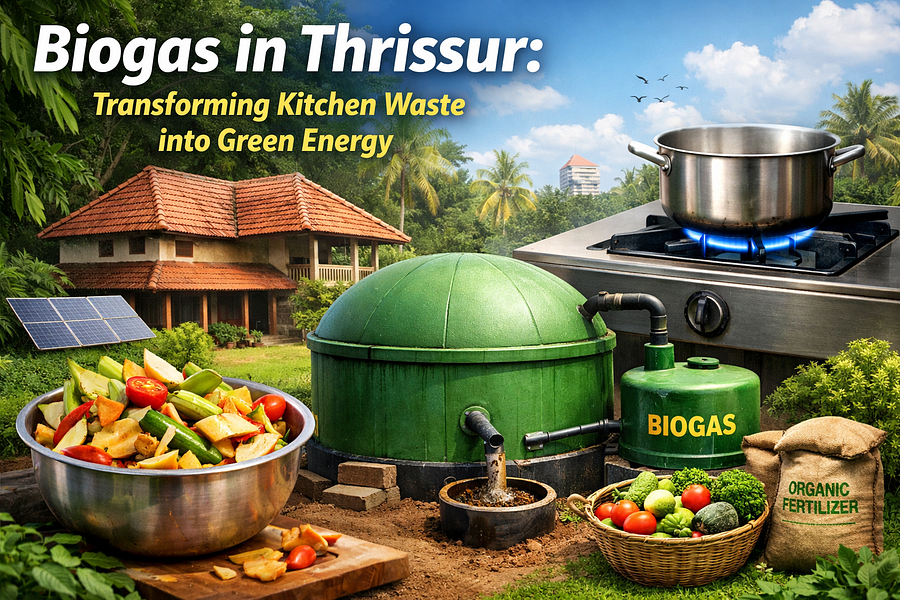
As cities grow and waste generation increases, sustainable waste management solutions have become more important than ever. Biogas in Thrissur is emerging as a powerful and eco-friendly method to convert everyday kitchen waste into useful green energy. With rising environmental awareness and government initiatives supporting renewable energy, many households, institutions, and businesses in Thrissur are now adopting biogas systems.
What is Biogas?
Biogas is a renewable form of energy produced by the anaerobic digestion of organic waste such as food scraps, vegetable peels, and other biodegradable materials. In this process, microorganisms break down organic matter in the absence of oxygen, producing methane-rich gas that can be used for cooking, heating, and even electricity generation.
In a city like Thrissur, where organic waste from households and restaurants is abundant, biogas plants provide an efficient way to manage waste while generating clean energy.
Why Biogas in Thrissur is Becoming Popular
The demand for biogas in Thrissur has grown significantly in recent years due to increasing waste management challenges and the need for sustainable energy alternatives. Several factors contribute to its popularity:
1. Effective Waste Management
Kitchen waste often ends up in landfills, causing pollution and foul odors. Biogas systems convert this waste into useful fuel, reducing landfill dependency.
2. Renewable Energy Source
Biogas is a clean and renewable energy source that reduces reliance on LPG and other fossil fuels.
3. Cost Savings
Households and institutions can significantly reduce cooking fuel expenses by producing their own biogas.
4. Environmentally Friendly
Biogas systems help reduce greenhouse gas emissions and promote eco-friendly waste disposal.
How Biogas Plants Work
Biogas plants are designed to process organic waste through a controlled decomposition process. The system typically includes:
- Waste inlet chamber — where kitchen waste is added
- Digester tank — where microorganisms break down organic matter
- Gas storage unit — where methane gas is collected
- Outlet for slurry — the leftover material used as organic fertilizer
This simple yet effective process turns everyday waste into valuable resources.
Applications of Biogas in Thrissur
The use of biogas in Thrissur is expanding across different sectors:
Households
Many homes are installing small biogas plants to manage kitchen waste and produce cooking gas.
Restaurants and Hotels
Food businesses generate large amounts of organic waste, making biogas plants a practical waste management solution.
Educational Institutions
Schools and colleges are adopting biogas systems as part of sustainability initiatives.
Apartments and Residential Communities
Large residential complexes are installing centralized biogas plants to manage waste collectively.
Environmental Benefits
Biogas plants offer several environmental advantages:
- Reduce organic waste going to landfills
- Lower methane emissions from decomposing waste
- Produce organic fertilizer that improves soil health
- Promote circular economy practices
For a culturally and environmentally conscious city like Thrissur, adopting biogas technology aligns perfectly with sustainable living goals.
Future of Biogas in Thrissur
With growing awareness about climate change and sustainable waste management, the future of biogas in Thrissur looks promising. Government support, technological advancements, and community participation are encouraging more people to adopt this green energy solution.
As more households, institutions, and businesses invest in biogas plants, Thrissur can move closer to becoming a cleaner and more sustainable city.
Conclusion
The adoption of biogas in Thrissur is transforming the way people handle organic waste. By converting kitchen waste into clean energy and organic fertilizer, biogas systems provide an environmentally responsible solution for waste management and energy production. Embracing this technology not only benefits individual households but also contributes to a greener and more sustainable future for the entire community.


Comments
Post a Comment